
Project leader: Blanka Cepková
Co-authors: Beáta Gerbocová, Vlasta Žáková, Veronika Pátrovič Kočáriková, Zuzana Slušná Ondrejková, Ingrid Ondrejičková Soboslayová, Zuzana Šebeková, Jana Zaujecová, Broňa Bručková,
Exhibiting students: Department of Textile Design at the University of Applied Arts in Bratislava
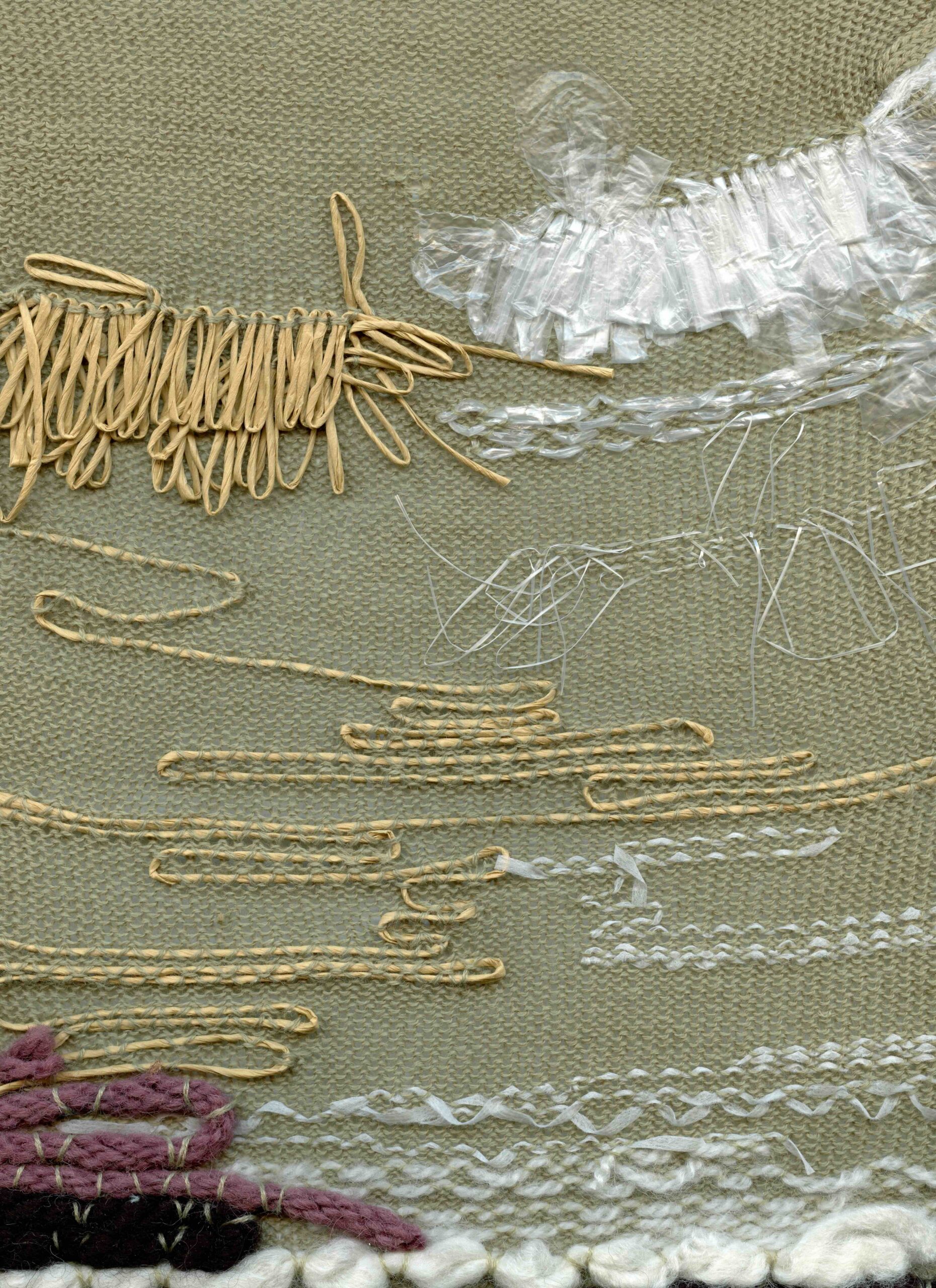
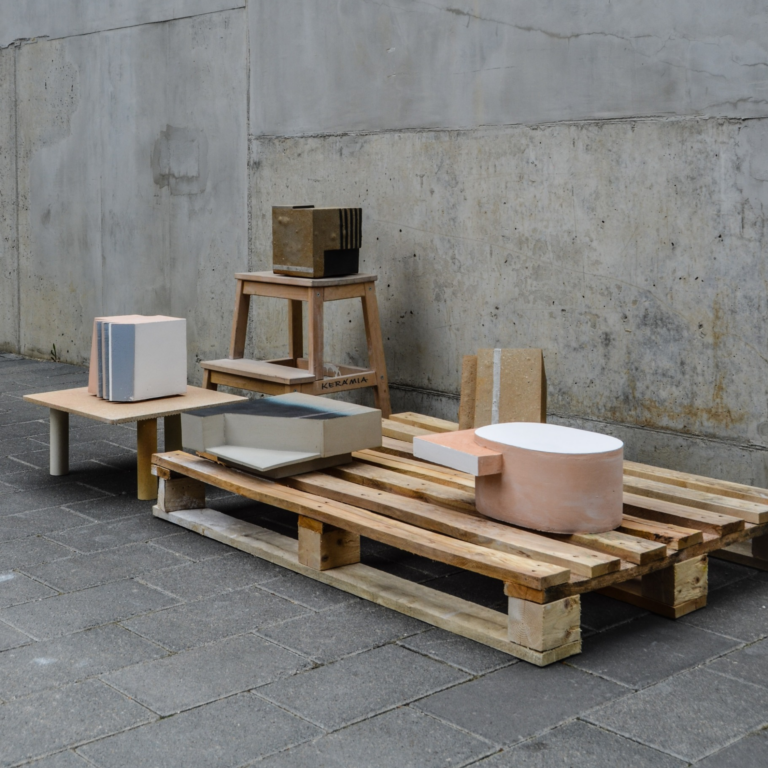
In the age of digital media, the role of craftsmanship does not change fundamentally, but its significance is transformed.. Today it is increasingly evident that craftsmanship enables a person to maintain a physical, sensory, and critical relationship with the world. Digital technologies are thus not seen as a substitute for craftsmanship, but as a new kind of tool. The author transforms the craft object into a vehicle for contemporary themes and stories. Traditional techniques can become a means of expressing questions about identity, memory, sustainability, the relationship between humans and technology, or environmental attitudes. However, this is not just about preserving them, but about actively developing and finding ways in which traditional craftsmanship can respond to contemporary social, cultural, and technological changes.
The project was supported by the KEGA 001VŠVU grant – 4/2024 Textil+


Department of Textiles, Academy of Fine Arts, Bratislava: Nextextile
Project leader: Blanka Cepková
Co-authors: Beáta Gerbocová, Vlasta Žáková, Veronika Pátrovič Kočáriková, Zuzana Slušná Ondrejková, Ingrid Ondrejičková Soboslayová, Zuzana Šebeková, Jana Zaujecová, Broňa Bručková,
Exhibiting students: Department of Textiles, Academy of Fine Arts, Bratislava
In the age of digital media, the role of craft does not fundamentally change, but its meaning is transforming. It is becoming increasingly evident that craftsmanship enables individuals to maintain a physical, sensory, and critical connection to the world. Consequently, digital technologies are viewed not as a substitute for craft, but as a new type of tool. The creator transforms the crafted object into a vehicle for contemporary themes and narratives. Traditional techniques can serve as a medium for exploring issues of identity, memory, sustainability, the relationship between humans and technology, and environmental attitudes. The aim, however, is not merely preservation, but active development—seeking ways for traditional craft to respond to contemporary social, cultural, and technological changes.
This project was supported by the KEGA grant 001VŠVU – 4/2024 Textil+.


 English
  Slovak