
Kurátorka: Viera Kleinová
V edícii BADW Majstri si v roku 2026 pripomenieme Ivicu Vidrovú (1943-2026). Exponovanú rolu tejto umelkyne v slovenskej autorskej keramike zasadíme prostredníctvom jej hlinených bytostí do prostredia výstavy Univerzálny substrát.
Vo svojom autorskom programe si Ivica Vidrová od začiatku nesie vedomú oponentúru konzervatívneho vnímania keramickej tvorby ako striktne úžitkovej disciplíny. Kľúčovým je pre ňu sústredený experiment, spočiatku v keramickej maľbe, od konca 80. rokov smeruje k zreteľnému narúšaniu statusu hliny ako efemérneho pomocného materiálu. Senzitivitu a vitalitu hliny objavuje cez jej haptické, materiálové, štrukturálne, procesuálne vlastnosti. Jej objekty/ nádoby sú bytosťami aj vecami, Ivica Vidrová ich komponuje ako znepokojujúce odkazy na domov, civilizovanú krajinu, či mestský priestor. Keramické obrazy môžu byť portrétom starých zemských ruptúr, porcelánovou či šamotovou archeológiou. Alebo stopami, ktoré ešte nevychladli, ranami, ktoré zaceľuje kobaltom, zlatom, dotykom. Habitaty Ivice Vidrovej obývajú bábky, ktoré sa množením vytrácajú, chúlia sa v nich anti-monumenty zašlej keramickej slávy a celkom nepokorne v nich pochodujú zajace. Je to však predovšetkým miesto, v ktorom Ivica Vidrová komunikuje svoj hlboko zažitý vzťah s hlinou. Ona sama svoju autorskú metódu charakterizovala ako spoluprácu so živým organizmom, participatívne prostredie, kde sa to najdôležitejšie odohráva procesom.
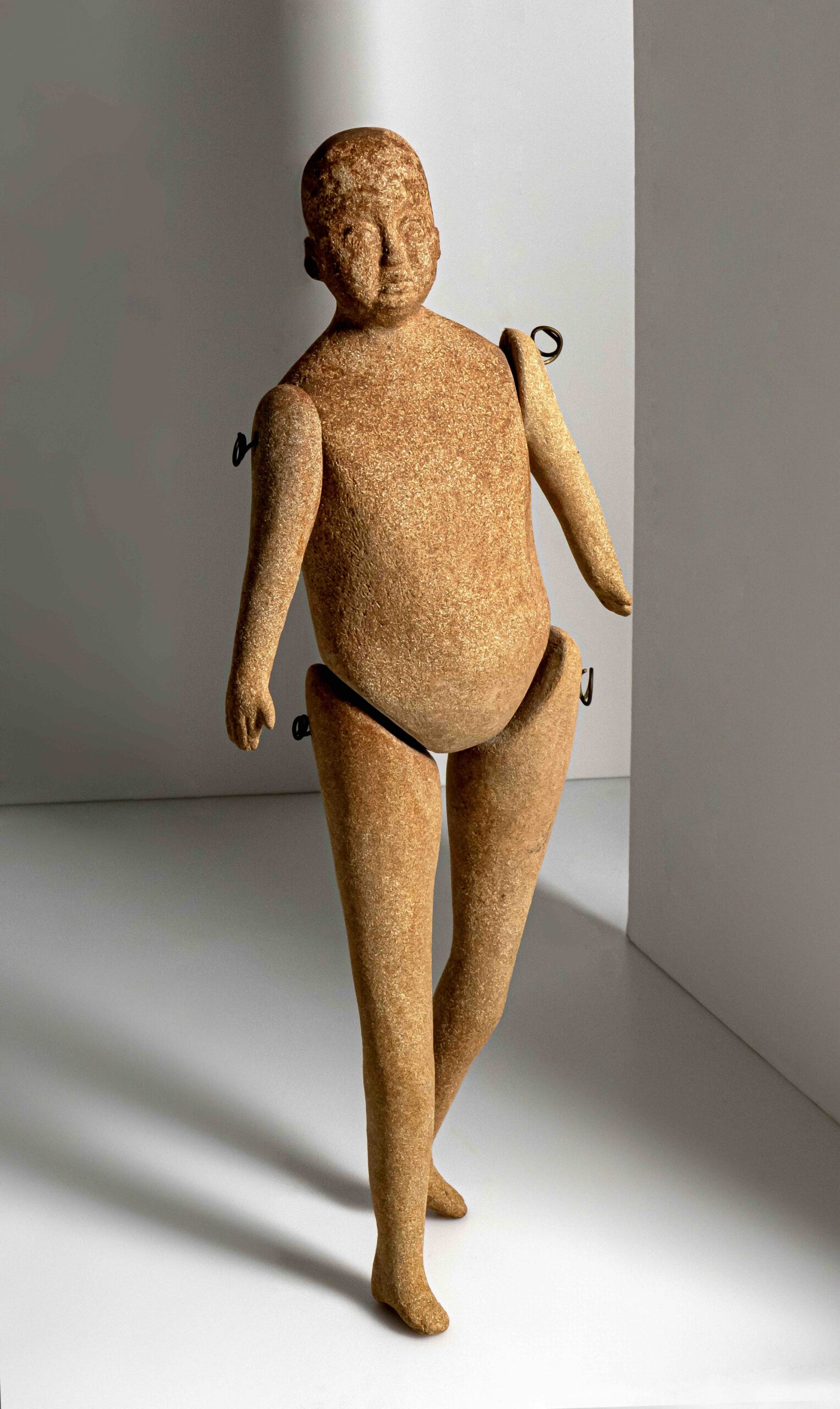
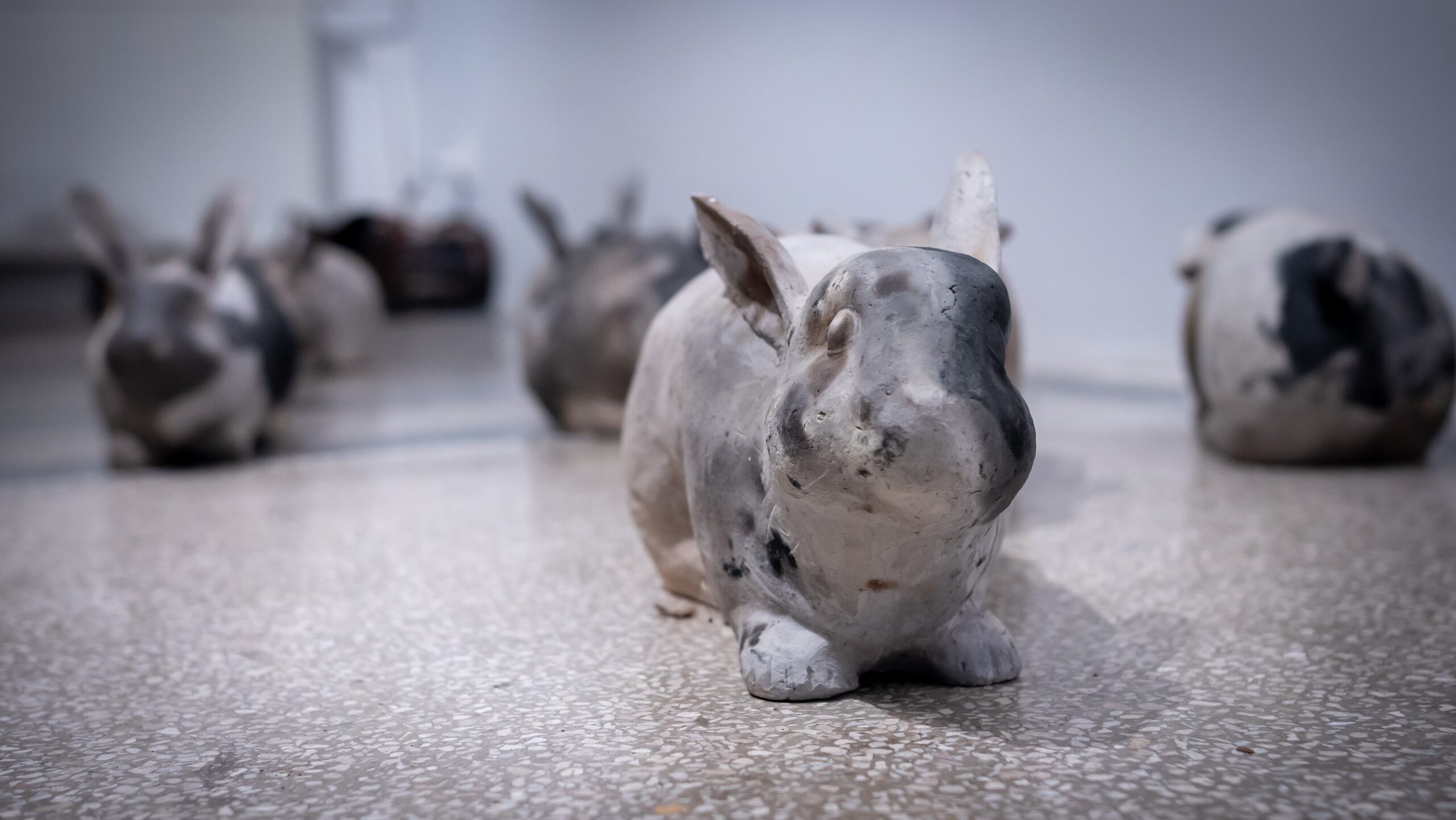
Ivica Vidrová: Creatures
Curator: Viera Kleinová
In 2026, the BADW Masters series will pay tribute to Ivica Vidrová (1943–2026). We will situate the artist’s prominent role in Slovak ceramic art—specifically through her clay creatures —within the context of the Universal Substrate exhibition.
From the very beginning, Vidrová’s artistic practice was defined by a conscious opposition to the conservative view of ceramics as a strictly utilitarian discipline. Focused experimentation was key to her work; while she initially explored ceramic painting, from the late 1980s she moved toward clearly challenging the status of clay as merely an ephemeral, auxiliary material. She discovered the sensitivity and vitality of clay through its haptic, material, structural, and process-oriented qualities. Her objects—or vessels—are both beings and things; Ivica Vidrová composes them as unsettling references to home, a civilized landscape, or urban space. These ceramic images might be seen as portraits of ancient geological ruptures, or as a form of archaeology in porcelain or fireclay. They are also traces that have not yet cooled, or wounds she heals with cobalt, gold, and touch. Ivica Vidrová’s habitats are inhabited by puppets that fade away through multiplication; within them, anti-monuments of bygone ceramic glory huddle together, while hares march through with utter irreverence. Above all, however, this is a space where Ivica Vidrová communicates her deeply ingrained relationship with clay. She has characterized her creative method as a collaboration with a living organism—a participatory environment where the most significant moments unfold through the process itself.

 Slovak
 English